Tesla Wall Connector Installed Clean Through the Crawl Space
A lot of homeowners assume installing a home EV charger is as simple as plugging something in. It's not. The wiring work behind it is what determines whether your charger is actually safe and reliable - or just a liability waiting to happen.
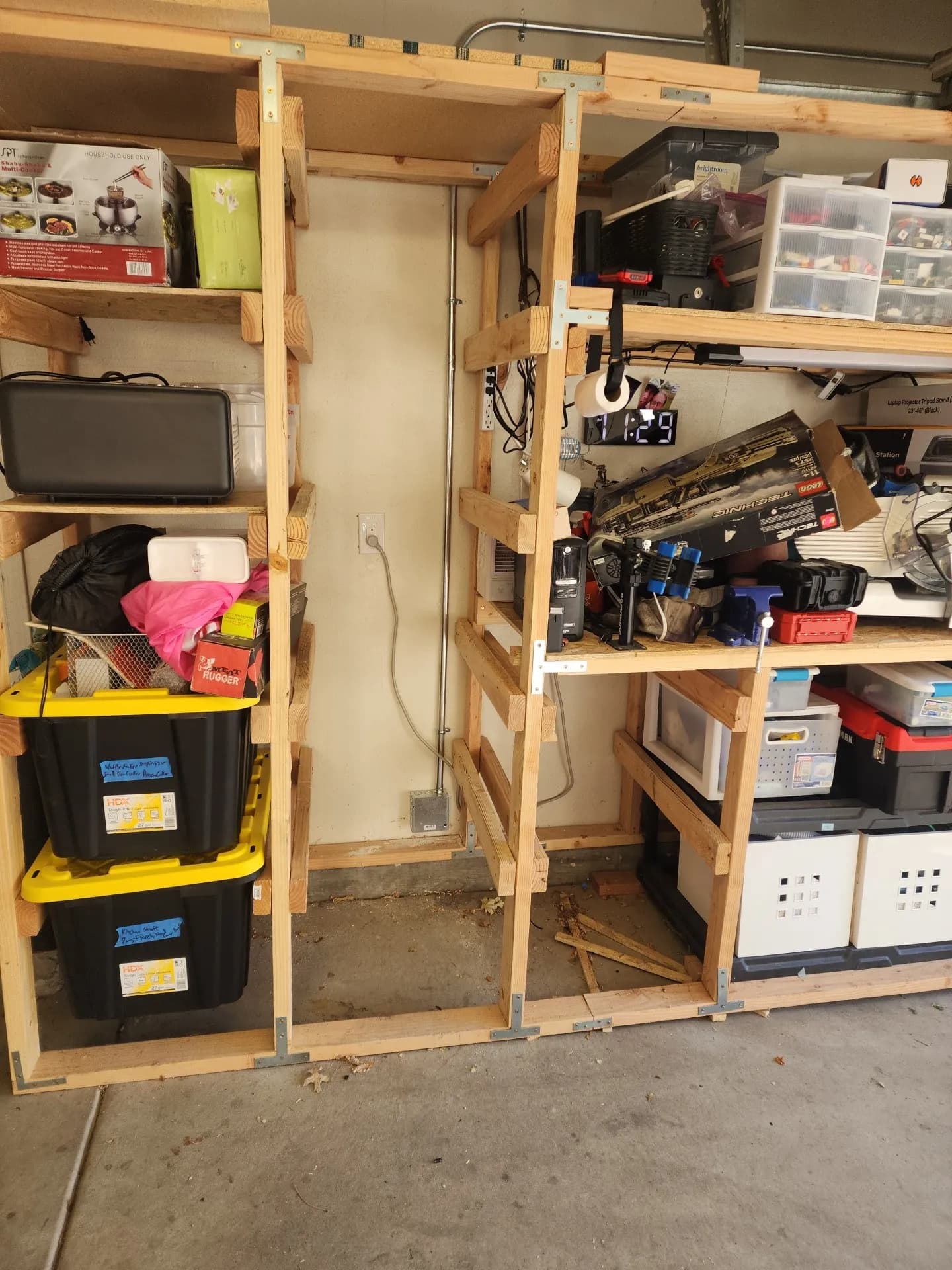
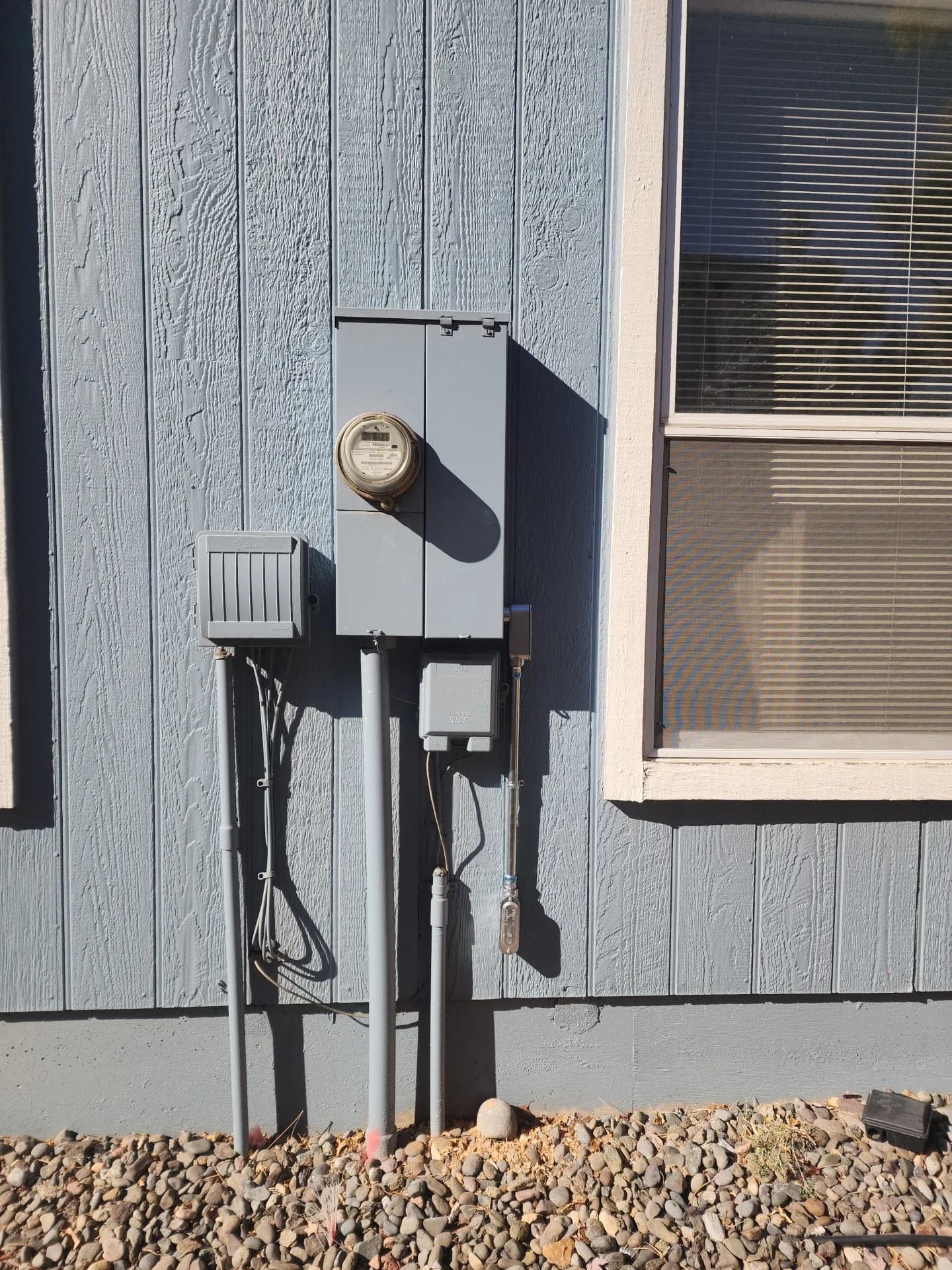
Here's what we were working with: a main panel on the exterior of the home and a garage that needed dedicated power for a Tesla Wall Connector. The cleanest and most code-compliant way to get there was routing the circuit through the crawl space. No surface conduit snaking across walls. No shortcuts. Just a proper dedicated circuit run from the panel directly to where it needed to go.
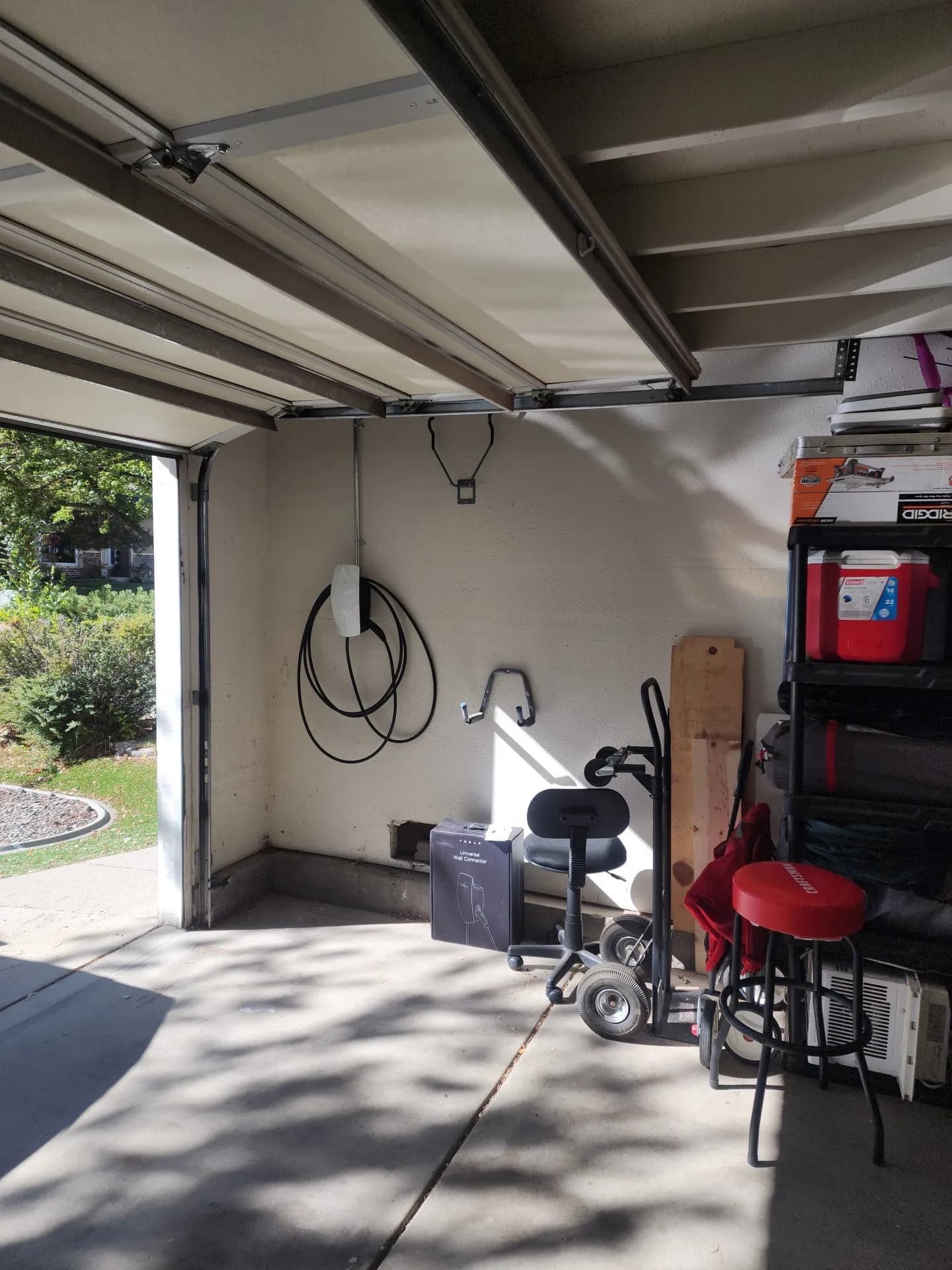
The Wall Connector itself mounts clean on the garage wall - out of the way, easy to access, and ready for daily use. The Tesla Wall Connector is one of the better home charging units out there. It's built specifically for Tesla vehicles and delivers a solid Level 2 charge, which is a big step up from a standard outlet. Night-to-night, that difference adds up fast.
What makes this kind of EV charger installation worth doing right is the wiring underneath it all. A dedicated circuit, properly sized breaker, and conduit work that meets code - that's what keeps everything running safely for years. Skip any part of that and you're looking at tripped breakers, overheating, or worse.
Good EV charging starts with solid electrical work. That's true whether you drive a Tesla or any other electric vehicle. If you're thinking about adding a home charger, the charger itself is only half the equation.